My Clinical Approach
For testicular atrophy my priority is the etiologic workup: I check for varicocele, history of torsion, anabolic steroid use, radiation, infection, and cryptorchidism.
In young men with fertility intentions I proceed with semen analysis and sperm cryopreservation before any invasive treatment.
Regular follow-up with ultrasound is critical, as the atrophic testis carries an increased cancer risk.
What is Testicular Atrophy?
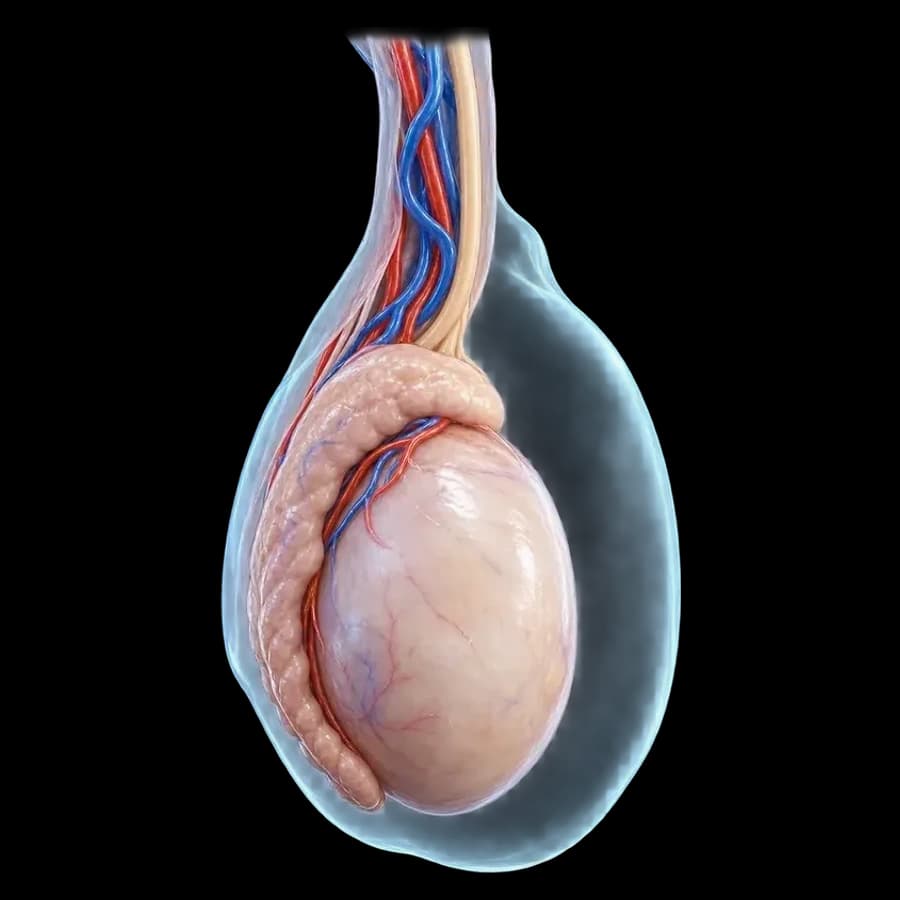
Testicular atrophy is the reduction of volume and/or function of the testis. Normal volume is 12-25 mL; values <12 mL are considered reduced, while <5 mL indicates severe atrophy.
- Volume measurement with Prader orchidometer or ultrasound
- Affects exocrine (spermatogenesis) and endocrine (testosterone) function
- May involve one or both testes
- Irreversible in most cases
Causes
- Varicocele (most common cause)
- History of testicular torsion
- Cryptorchidism/retractile testis
- Orchitis (viral - mumps)
- Epididymitis/epididymo-orchitis
- Chemotherapy (alkylating agents)
- Pelvic radiation
- Anabolic steroids/testosterone use
- Testicular trauma
- Vascular injury after hernia repair
- Aging (>70 years)
- Klinefelter syndrome
Symptoms
- Smaller, soft testis on palpation
- Scrotal asymmetry
- Reduced libido
- Erectile dysfunction
- Infertility
- Fatigue, low energy
- Gynecomastia
- Reduced body hair
Diagnosis
- Clinical examination + Prader orchidometer
- Scrotal Doppler ultrasound (volume, perfusion)
- Hormone profile: testosterone, FSH, LH, estradiol, prolactin
- Semen analysis per WHO 2021
- Karyotype if Klinefelter is suspected
- Tumor workup for unexplained elevated FSH
Treatment
Etiologic treatment
Varicocele repair (microsurgical varicocelectomy), discontinuation of anabolics, treatment of infection.
Fertility preservation
Sperm cryopreservation before chemo-/radiotherapy or surgery. For azoospermia: micro-TESE.
Hormone replacement
For confirmed hypogonadism (testosterone <300 ng/dL with symptoms) — gel, injectable, subcutaneous implants. Not for men actively seeking fertility.
Testicular prosthesis
For severe unilateral atrophy with cosmetic concern.
Follow-up
- Monthly testicular self-examination
- Annual scrotal ultrasound
- Annual testosterone & hormone profile
- Semen analysis when fertility is desired
- Bone density assessment in chronic hypogonadism
- Cardiovascular evaluation (metabolic syndrome)
Complications
- Infertility
- Hypogonadism
- Osteoporosis
- Cardiovascular disease
- Metabolic syndrome
- Depression, reduced quality of life
- Increased risk of testicular cancer
A man with an atrophic testis and history of cryptorchidism has up to a 10-fold increased risk of testicular cancer. Lifelong follow-up is recommended.
Frequently Asked Questions (FAQ)
Is testicular atrophy reversible?
It depends on the cause and duration. Atrophy from a torsion that was rapidly resolved or from short-term steroid exposure can improve. Long-standing atrophy (after varicocele, radiation, chemotherapy) is usually permanent.
Does atrophy affect fertility and testosterone?
Yes. Reduced testicular volume correlates with reduced spermatogenesis (oligo-/azoospermia) and may reduce testosterone production (hypogonadism).
How often should follow-up be performed?
In known atrophy, annual follow-up with palpation, ultrasound and hormone profile (testosterone, FSH, LH), plus semen analysis if fertility is desired.
Does it increase cancer risk?
Atrophy (especially after cryptorchidism) is an independent risk factor for testicular cancer. Monthly self-examination and annual ultrasound are recommended.
Is there a treatment?
There is no treatment that reverses atrophy. The cause is treated (varicocele repair, anabolic discontinuation) and hormonal/reproductive function is supported.
Book Your Appointment in Rhodes
Comprehensive testicular atrophy workup, hormonal evaluation, fertility assessment and individualized follow-up plan.
References – Sources
- EAU Guidelines on Sexual and Reproductive Health 2024 — uroweb.org
- WHO laboratory manual for the examination of human semen, 6th ed., 2021 — who.int
- Bhasin S, et al. Testosterone Therapy in Men With Hypogonadism: Endocrine Society Guideline. JCEM 2018 — PMID: 29562364
Medical Review

Dr. Marinos Vasilas, Urologist – Andrologist
Dr. Marinos Vasilas runs a private urology practice in Rhodes specializing in scrotal and male reproductive disorders.
View full CV


